If your Julington Creek home is about to hit the market, the goal is not to do everything. It is to do the right things first. In a market where buyers are paying close attention to condition, presentation, and value, smart prep can help your home stand out without overspending. Let’s walk through how to get your home market-ready with a clear plan.
Why preparation matters in Julington Creek
Julington Creek Plantation is known for its strong outdoor lifestyle and amenity-rich setting. The community handbook highlights features like a recreation center, aquatics complex, fitness center, tennis courts, playgrounds, banquet rooms, and pavilion spaces, while the county park adds sports fields, a playground, and more open-air recreation areas, according to the official community handbook. That means buyers are often looking at more than just your square footage. They are also noticing how your home fits a lifestyle centered on comfort, upkeep, and outdoor living.
The broader market also supports a focused approach. In December 2025, St. Johns County had a median single-family sales price of $549,995, a median 57 days on market, and 1,526 active listings, according to NEFAR market data. In other words, buyers are active, but they have options. Good presentation matters.
Start with repairs before updates
Before you think about paint colors or staging pillows, handle anything that could raise a red flag during showings or inspections. Buyers today are less willing to compromise on condition, and that can affect both offers and negotiations.
A good rule is simple: fix defects first, then improve appearance. This order protects your budget and helps you avoid putting cosmetic work on top of unresolved issues.
Focus on moisture and water issues
In Florida, moisture problems deserve special attention. The Florida Department of Health says controlling moisture is the key to stopping indoor mold growth, and the EPA makes the same point. If you have had past leaks, musty odors, condensation, damaged caulk, or any signs of previous water intrusion, address them before listing.
Walk through your home with a careful eye. Check under sinks, around tubs and showers, near windows, at ceilings, and around HVAC components. If there has been any repair or remediation, keep the records organized and easy to share.
Tackle common inspection items
The InterNACHI Standards of Practice give a helpful preview of the kinds of items that often come up in inspections. These include roofing materials, gutters and downspouts, flashing, visible leaks, exterior walls, soffits and fascia, grading and drainage, plumbing leaks, cooling-system operation, electrical panels, garage-door operation, and safety devices.
That means your highest-priority fixes usually include:
- Roof issues or visible wear
- Drainage problems near the foundation
- Plumbing leaks or stained areas
- HVAC performance concerns
- Electrical issues such as nonworking outlets or safety-device concerns
- Garage door problems
- Broken or missing smoke detectors
These are not glamorous updates, but they are the repairs that help a sale stay on track.
Gather permits and repair records
Paperwork matters too. The Florida Bar consumer guidance notes that even in an as-is sale, sellers still have a duty to disclose latent defects. It also points to concerns buyers often raise, including mold, open permits, HOA disclosures, and unpermitted work.
Before your home goes live, gather:
- Repair invoices
- Permit records
- Roof documentation
- HVAC service records
- Mold or remediation reports, if applicable
- Receipts for major replacements or repairs
A well-documented home often feels more trustworthy to buyers.
Put curb appeal near the top of your list
First impressions carry real weight. In the 2025 NAR Remodeling Impact Report for Outdoor Features, 92% of REALTORS® said they recommend improving curb appeal before listing, 97% said curb appeal is important in attracting a buyer, and 98% said it matters to the buyer.
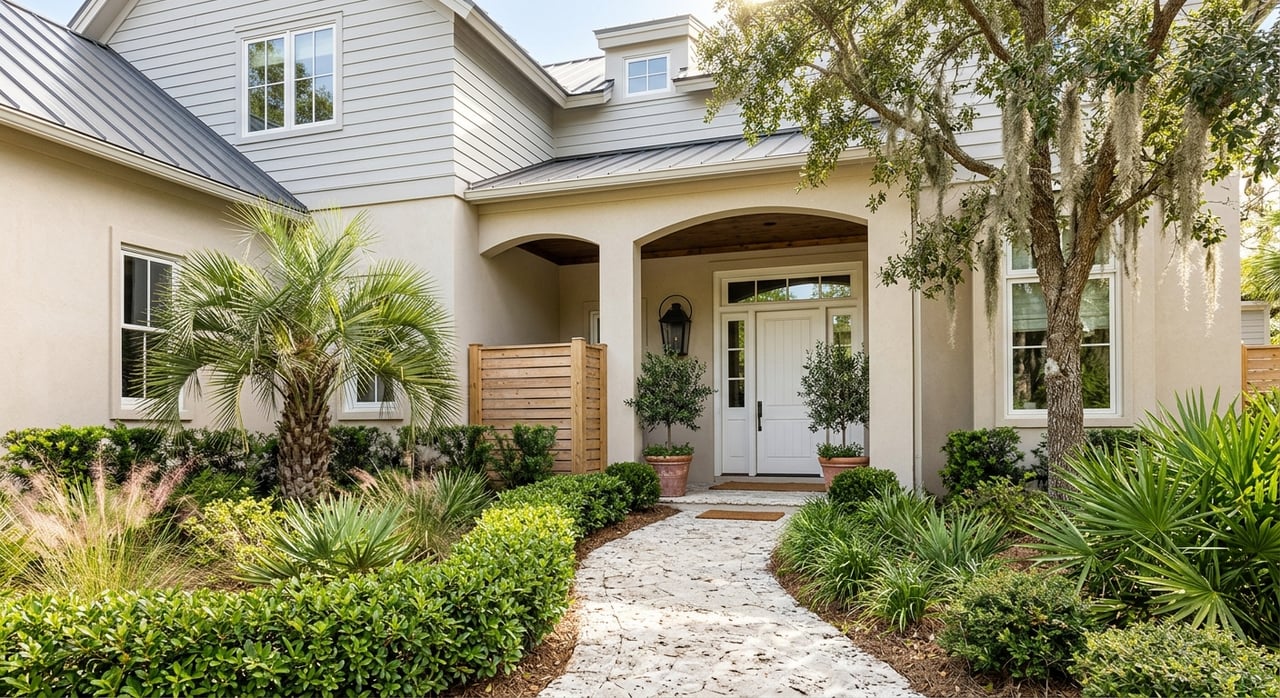
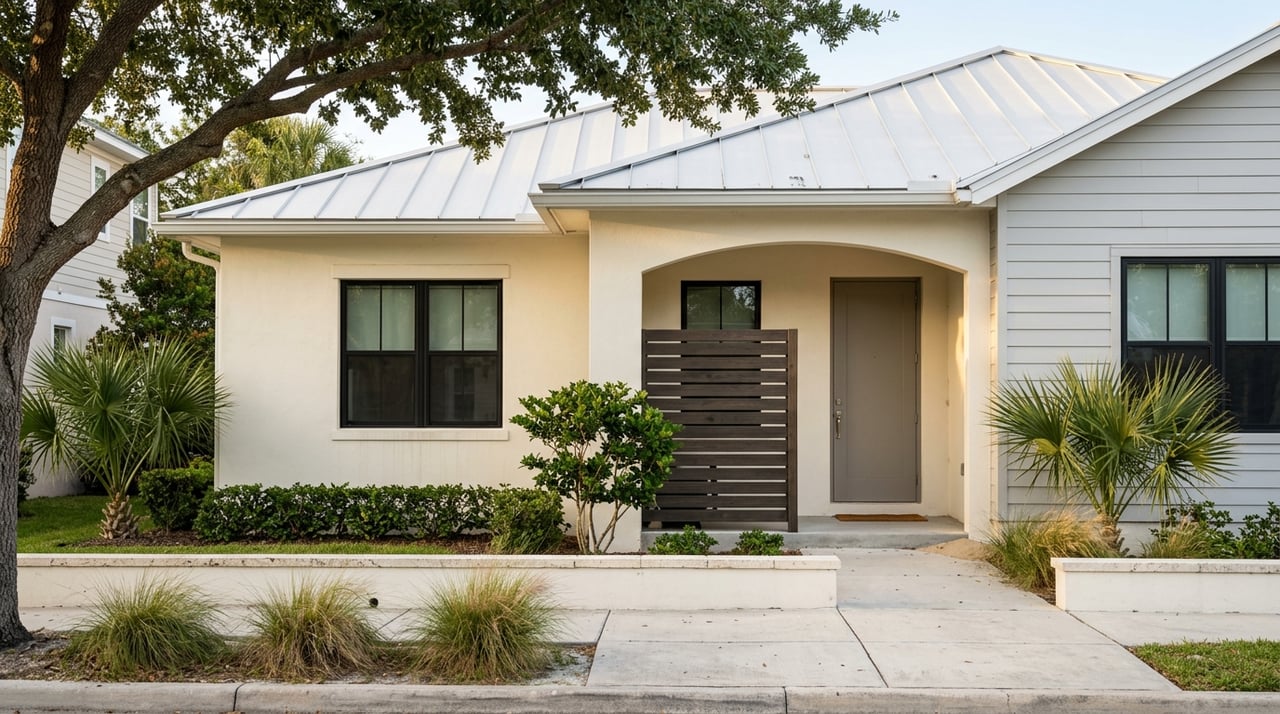
That is a strong signal for sellers in Julington Creek. Your front elevation, driveway, walkway, landscaping, and entry all shape how buyers feel before they even step inside.
High-impact exterior tasks
You do not need a major exterior overhaul to make a strong impression. Focus on visible maintenance and simple refreshes that make the home feel cared for.
Prioritize tasks like these:
- Pressure wash the exterior, driveway, walkways, and patio areas
- Trim shrubs and tree limbs
- Add fresh mulch
- Repair peeling paint
- Touch up the front door and trim
- Clean gutters
- Make sure the garage door looks clean and works smoothly
- Replace burned-out exterior bulbs
- Clean or update the front entry hardware if needed
These steps are practical, budget-conscious, and easy for buyers to notice.
Consider selective upgrades
If your home needs more than touch-up work, stay selective. The 2025 NAR Remodeling Impact Report found that REALTORS® most often recommend painting the whole home, painting one room, and new roofing before sale. It also reported that a new steel front door delivered 100% cost recovery.
That does not mean every seller should start replacing major components. It means visible, high-impact improvements often make more sense than a full remodel.
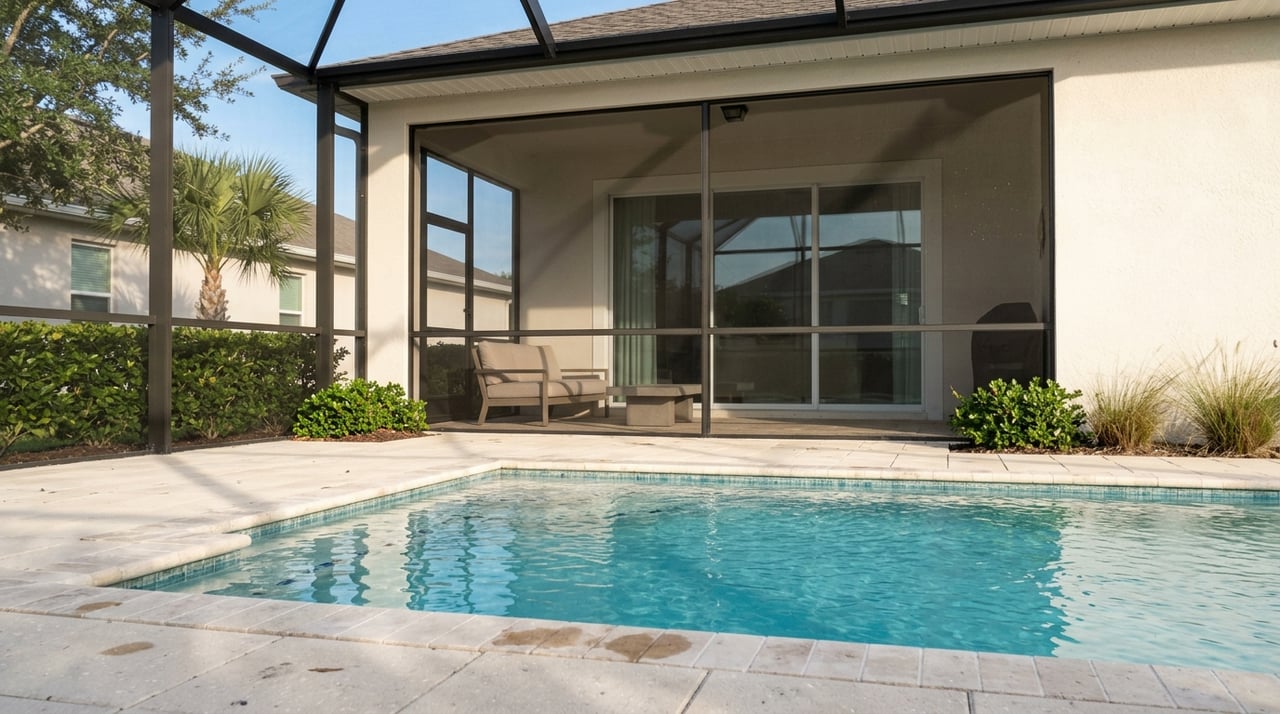
Treat the lanai and backyard like living space
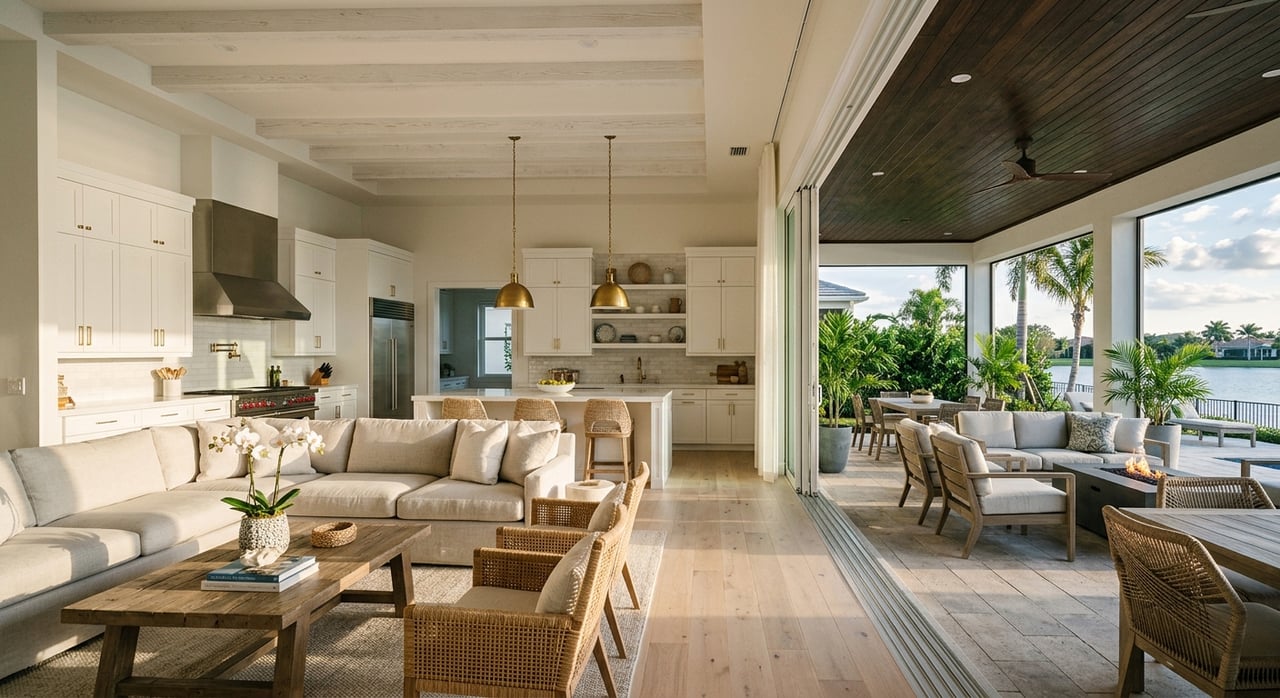
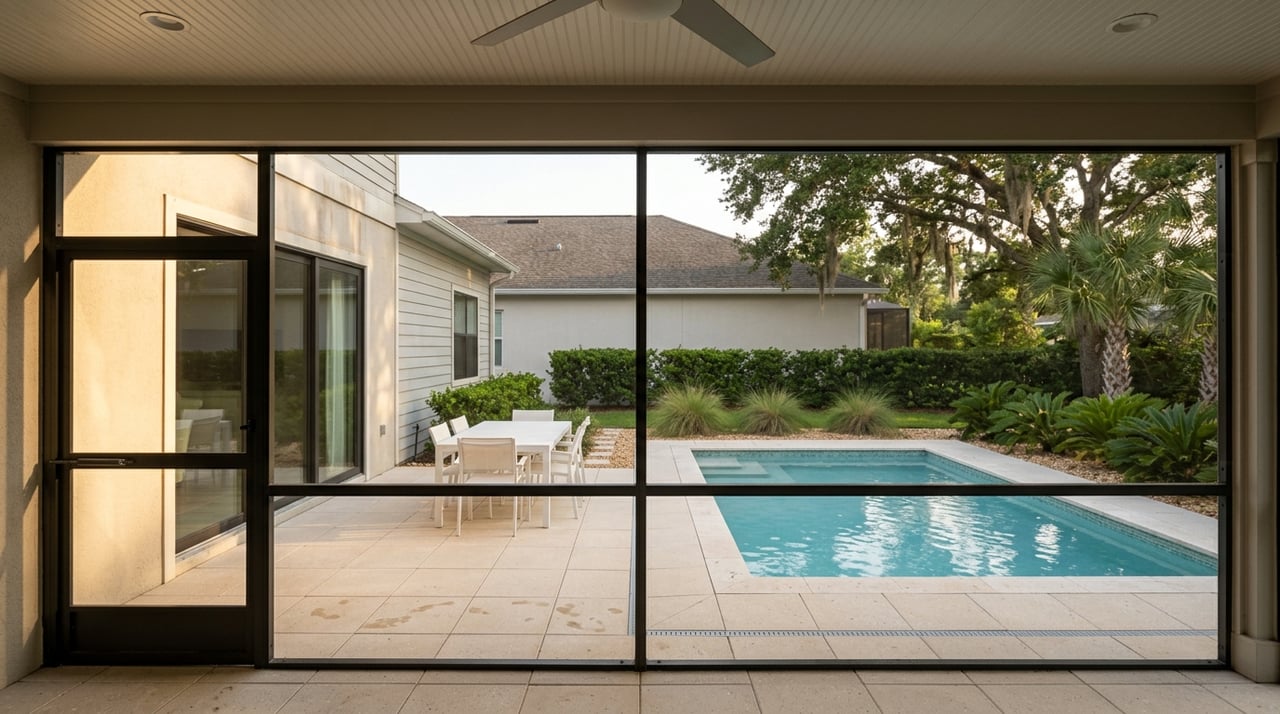
In a community where pools, parks, and outdoor recreation are part of everyday life, buyers are likely to view your backyard as an extension of the home. A messy lanai or neglected patio can make the whole property feel less polished.
The good news is that this is often one of the easiest areas to improve. Cleanliness, function, and a calm visual feel usually matter more than expensive upgrades.
Make the lanai feel simple and usable
Your outdoor space should look easy to enjoy and easy to maintain. That means less clutter, fewer personal items, and a setup that helps buyers picture themselves using it.
A strong prep list includes:
- Clean screens and frames
- Wash away algae, mildew, and dirt
- Check ceiling fans and lighting
- Remove extra furniture or worn accessories
- Use simple, neutral cushions
- Clear off counters and tabletops
- Sweep and rinse corners where debris collects
If the space feels open, bright, and functional, buyers are more likely to see its value.
Prep the pool carefully
If your home has a pool or spa, do not assume a standard home inspection will cover it in detail. The InterNACHI standards note that swimming pools and spas are not required parts of a standard inspection.
That makes a separate pool-service check a smart move before listing. It can also help to have:
- Current water chemistry balanced
- Pump or heater service records
- Screen enclosure repair records
- Notes on any recent maintenance
If the pool deck or patio looks dated, modest fixes like cleaning pavers, regrouting, or replacing rusted hardware often make more sense than a large luxury project.
Keep your budget in the right order
One of the biggest mistakes sellers make is spending in the wrong sequence. Instead of starting with trend-driven updates, build your prep plan around what buyers notice most and what can create friction later.
Based on the research, this order usually makes the most sense for a Julington Creek home:
- Fix defects first like roof, moisture, HVAC, electrical, drainage, and permit issues
- Improve curb appeal with cleaning, paint touch-ups, landscaping, and entry updates
- Polish outdoor living areas including the lanai, patio, and pool area
- Refresh dated interiors with modest kitchen or bath improvements if needed
- Skip major over-improvements unless they clearly match neighborhood expectations
This approach also lines up with the NAR remodeling findings, which show that 46% of buyers are less willing to compromise on home condition.
Do not overlook wind-mitigation details
In Florida, insurance and storm-related features can shape buyer confidence. The Florida Office of Insurance Regulation explains that hurricane season runs from June 1 through November 30 and that insurers must offer hurricane-loss mitigation discounts when eligible features are documented through the Uniform Mitigation Verification Inspection Form.
For sellers, that means roof condition, roof-to-wall details, and opening protection may matter more than expected. If you have wind-mitigation documents, insurance-related inspection reports, or records of eligible upgrades, keep them ready. They may help answer buyer questions and reduce uncertainty.
Final walkthrough before photos and showings
Once repairs and improvements are done, do one last full walkthrough as if you were seeing the home for the first time. Stand at the curb, walk to the front door, then move room by room and out to the lanai or backyard.
Look for anything that feels unfinished, cluttered, dim, stained, or overly personal. A clean, well-maintained home sends a clear message to buyers: this property has been cared for.
If you want help deciding what is worth fixing, what to skip, and how to prepare your home for the strongest possible launch, Cindy James offers concierge-level guidance backed by real construction insight and local market knowledge across Northeast Florida.
FAQs
What repairs should sellers prioritize before listing a Julington Creek home?
- Start with defects that can affect inspections or buyer confidence, including roof issues, moisture or leak concerns, HVAC problems, drainage, electrical items, and permit or disclosure questions.
How important is curb appeal when selling a home in Julington Creek?
- Very important. NAR reports that 97% of REALTORS® say curb appeal matters in attracting a buyer, so cleaning, landscaping, paint touch-ups, and a polished entry can make a real difference.
Should a Julington Creek seller update the lanai or pool area before selling?
- Yes, but focus on cleaning, function, and minor repairs first. A tidy, usable outdoor area usually helps more than an expensive upgrade.
Do sellers in Florida need to disclose problems in an as-is sale?
- Yes. Florida sellers still need to disclose latent defects, even in an as-is transaction.
Why do wind-mitigation documents matter when selling a Florida home?
- They can affect insurance costs and buyer confidence, especially if your home has documented storm-resistant features that may qualify for discounts.