Wondering whether to renovate your Riverside or Avondale home before listing it, or just sell it as-is? In these historic Jacksonville neighborhoods, that choice is rarely just about budget. It is also about preservation rules, buyer expectations, and which updates actually help you protect value. If you want to avoid over-improving, under-preparing, or triggering delays, this guide will help you think through the decision with more clarity. Let’s dive in.
Why this decision is different here
In Riverside and Avondale, your home may be part of a locally regulated historic district. That matters because some changes that feel simple in other neighborhoods can require review here, especially exterior alterations.
Jacksonville’s historic-preservation code requires a certificate of appropriateness for exterior alterations, demolition, relocation, or new construction on designated historic properties. Some routine alterations and minor repairs may qualify for administrative approval, while interior work that does not affect exterior fabric is generally exempt. Routine lawn and landscape care is also exempt, but hardscape changes and most exterior work can trigger review.
That means your pre-sale plan should start with one key question: Are you fixing problems, or are you redesigning visible historic features? Repairs that preserve the home’s character are usually the safer path.
What historic rules mean for sellers
Riverside Avondale Preservation guidelines emphasize keeping new work compatible with the home’s massing, scale, and architectural details. For many older homes, that means original features should be repaired or sensitively restored whenever possible instead of swapped out for standard modern replacements.
If your home is more than 50 years old, it may be considered a contributing structure in the district. In practical terms, that raises the importance of being thoughtful before changing visible exterior elements.
High-sensitivity features to review carefully
Some exterior features tend to draw closer attention because they help define the neighborhood’s historic character. Before you budget for updates, keep these items in mind:
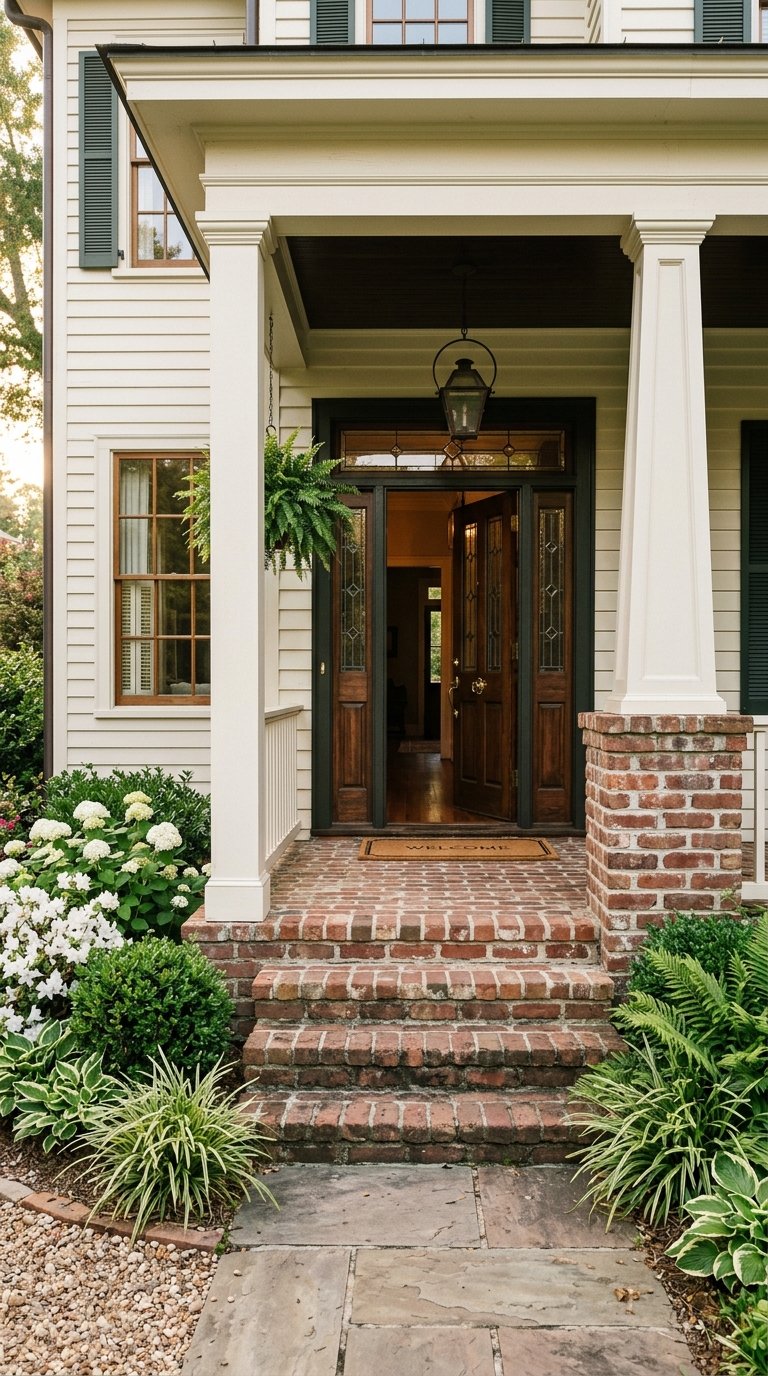
- Porches: Porches are a defining feature in the district, and porch enclosures are generally discouraged.
- Roof form: Preserving the original roof shape matters, and visible dormers or skylights can be problematic if they alter historic character from the public right-of-way.
- Windows: Historic windows are often expected to be repaired when possible. If replacement is necessary, the new units should match the original size and visual appearance.
- Doors and entrances: Historic doors and primary entries are meant to be preserved where possible, and stock replacements are discouraged.
If you were planning a quick exterior facelift, this is where many sellers benefit from slowing down. In Riverside and Avondale, the wrong exterior update can cost money without improving marketability.
When selling as-is makes sense
Selling as-is can be the right move if your home needs broad work, if you want to avoid upfront spending, or if the property is likely to attract a buyer who values location and character over perfect condition.
This option can also make sense when your needed improvements are concentrated in high-sensitivity exterior areas. If the updates would require design review, custom materials, or careful restoration work, selling as-is may be more practical than rushing into a project with uncertain payoff.
You may want to lean toward as-is if:
- You have multiple repair categories, not just one or two
- Exterior work may trigger historic review
- You do not want to manage contractors and timelines
- The home is likely to appeal to renovation-minded buyers
- Your pricing strategy can clearly account for condition
That said, as-is does not mean ignore obvious issues. Even if you sell in current condition, visible deferred maintenance can still affect buyer confidence, inspections, and offers.
When renovation usually pays off
If your home has solid bones and the main issues are targeted, selective pre-listing work often makes more sense than a full remodel. The goal is not to make the house feel brand new. The goal is to remove red flags, improve presentation, and make buyers feel more confident.
This matters in the current market. Recent Redfin data showed Riverside with a median sale price of $410,000 in March 2026, with homes selling in about 119 days and typically around 5% below list. Avondale showed a median sale price of $375,000, with homes selling in about 49 days and roughly 3% below list. That points to a market where pricing and condition both matter.
NAR also found that 46% of buyers are less willing to compromise on a home’s condition. In a neighborhood known for charm and older housing stock, that means buyers may accept age, but they often react negatively to visible neglect.
Fix these issues first
If you are deciding where to spend money, focus first on problems that affect moisture, safety, inspections, financing, or buyer trust. These repairs are usually easier to defend than cosmetic upgrades because they solve real problems.
Moisture and roof issues
Historic homes often struggle with water intrusion. Common trouble spots include roof drainage, flashing, cracks around windows and doors, and gaps where materials meet.
Before you think about décor or trendy finishes, address:
- Active roof leaks
- Failing gutters and downspouts
- Flashing problems
- Other visible moisture-entry paths
Fixing the source of water problems before doing cosmetic work is especially important. A fresh paint job will not reassure buyers if they still notice signs of moisture.
Paint concerns in older homes
If your home was built before 1978, lead-based paint may be a factor. Sellers are required to disclose known lead hazards, provide the lead information pamphlet, and give buyers an opportunity to inspect before they are obligated under contract.
If painted surfaces are peeling or deteriorated, that deserves attention before listing. Any paid renovation work that disturbs painted surfaces in pre-1978 homes must also follow lead-safe rules.
Drafts and air leaks
Many older homes feel drafty because of gaps around windows, doors, foundations, plumbing penetrations, and electrical penetrations. Simple air-sealing and weatherstripping can improve comfort and presentation without changing the historic character when done carefully.
This is the kind of update buyers may not always see directly, but they often feel it during a showing.
Aging systems
If your HVAC, electrical, or other mechanical systems have obvious problems, those issues can weigh on inspections and negotiations. A whole-house approach that looks at the building envelope, heating and cooling, insulation, moisture control, ventilation, and electrical condition is often more useful than spending heavily in just one cosmetic area.
For sellers, the key is to correct obvious comfort or inspection issues in a way that respects the home’s historic features.
Skip the full gut renovation
For most Riverside and Avondale resale situations, a full gut renovation is not the smartest pre-listing move. It is expensive, time-consuming, and more likely to create permit, review, or design complications, especially if your plans affect visible exterior elements.
The stronger strategy is usually a selective one. Fix visible defects, preserve defining features, document major system improvements, and avoid changes that erase historic character.
Zonda’s 2025 Cost vs. Value report supports that broader idea. Small exterior replacements and a modest kitchen refresh generally tend to make more sense at resale than large discretionary remodels. In a historic district, those improvements still need to be filtered through preservation requirements, but the takeaway is clear: targeted updates usually outperform sweeping reinvention.
Match the work to your price point
Not every buyer in Riverside or Avondale is looking for the same thing. Recent sales in Avondale ranged from about $310,000 to $1.725 million, and Riverside listings show a similarly broad spread. That suggests very different buyer expectations depending on where your home will be priced.
At lower and mid-range price points, buyers may be more willing to accept cosmetic wear or some functional imperfections if the price clearly reflects the condition. At the upper end, buyers are more likely to expect polished presentation, cleaner systems, and a finish level that feels thoughtful and preservation-aware.
This does not mean every expensive home needs a full renovation. It means the higher your target price, the less room there usually is for visible deferred maintenance, clumsy updates, or unresolved system concerns.
A smart pre-listing plan
If you are torn between renovating and selling as-is, a simple decision framework can help.
Choose targeted renovation if:
- The house is fundamentally sound
- Repairs are mostly limited to moisture, paint, comfort, or systems
- You can preserve original windows, doors, porches, and roof form
- The work will improve buyer confidence without over-customizing
- You want to strengthen presentation before hitting the market
Choose as-is if:
- The home needs extensive work across several categories
- Exterior changes could require significant historic review
- Your budget is limited or timeline is tight
- You would rather price for condition than manage restoration
- The likely buyer is comfortable taking on projects
In both cases, pricing matters. An as-is listing still needs a strategy that honestly reflects condition, while a renovated listing needs to avoid overpricing just because money was spent.
The best middle ground
For many Riverside and Avondale sellers, the best answer is neither full renovation nor pure as-is. It is a middle path: fix what can hurt value, preserve what makes the home special, and leave major redesign choices to the next owner.
That approach aligns with Jacksonville’s preservation rules, district design guidelines, and current buyer behavior. It also helps you avoid the common mistake of pouring money into updates that buyers may not value, or that do not fit the home’s historic character.
With a historic home, smart preparation usually wins over flashy preparation. If you want help weighing repairs, pricing, and what buyers are likely to notice first, Cindy James can help you build a strategy that protects both your timeline and your equity.
FAQs
Should I renovate exterior features before selling in Riverside Avondale?
- Maybe, but you should be careful. Exterior alterations on designated historic properties may require a certificate of appropriateness, and features like porches, roof form, windows, and doors are especially sensitive.
What repairs matter most before listing a historic home in Riverside or Avondale?
- Focus first on roof leaks, drainage issues, flashing, moisture entry points, peeling paint in older homes, simple air leaks, and obvious mechanical or comfort issues.
Can I sell a Riverside or Avondale home as-is?
- Yes. Selling as-is can be a practical choice if the home needs broad work, your timeline is tight, or you want to let a buyer take on restoration. Pricing should still reflect the property’s condition clearly.
Do older Jacksonville homes need lead paint disclosure?
- If the home was built before 1978, sellers must disclose known lead hazards, provide the lead information pamphlet, and allow buyers an opportunity to inspect before they are obligated under contract.
Do buyers in Riverside Avondale care about condition?
- Yes. Current market data and buyer research suggest that condition still matters, especially when deferred maintenance is visible or when a home is priced at the upper end of the market.
Is a full remodel worth it before selling in Riverside or Avondale?
- Usually not. In many cases, selective repairs and presentation improvements make more sense than a full renovation, especially in a historic district where preservation compatibility matters.