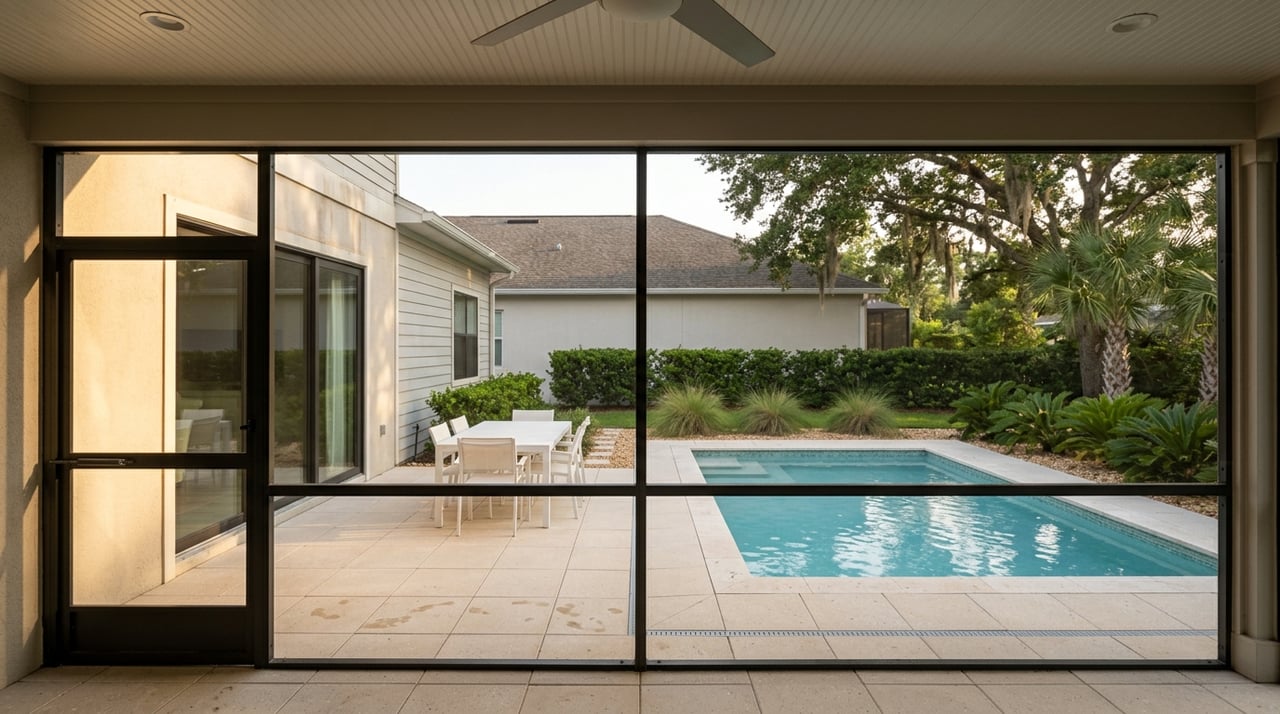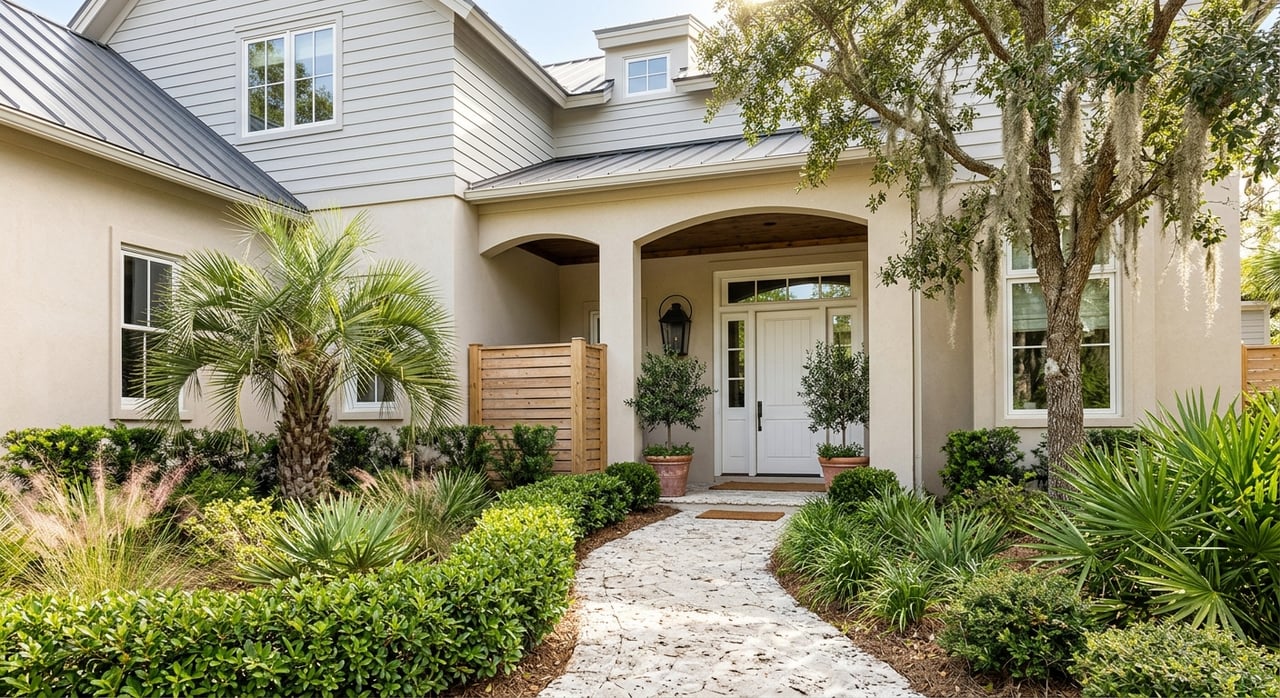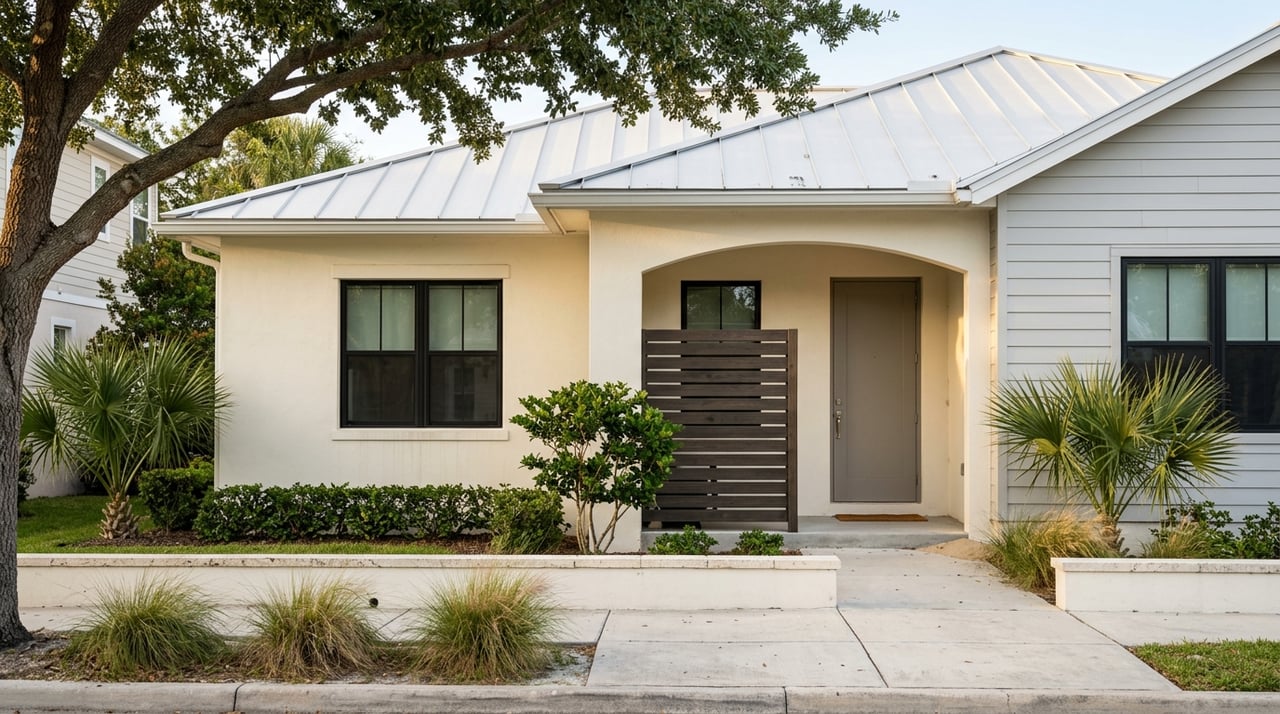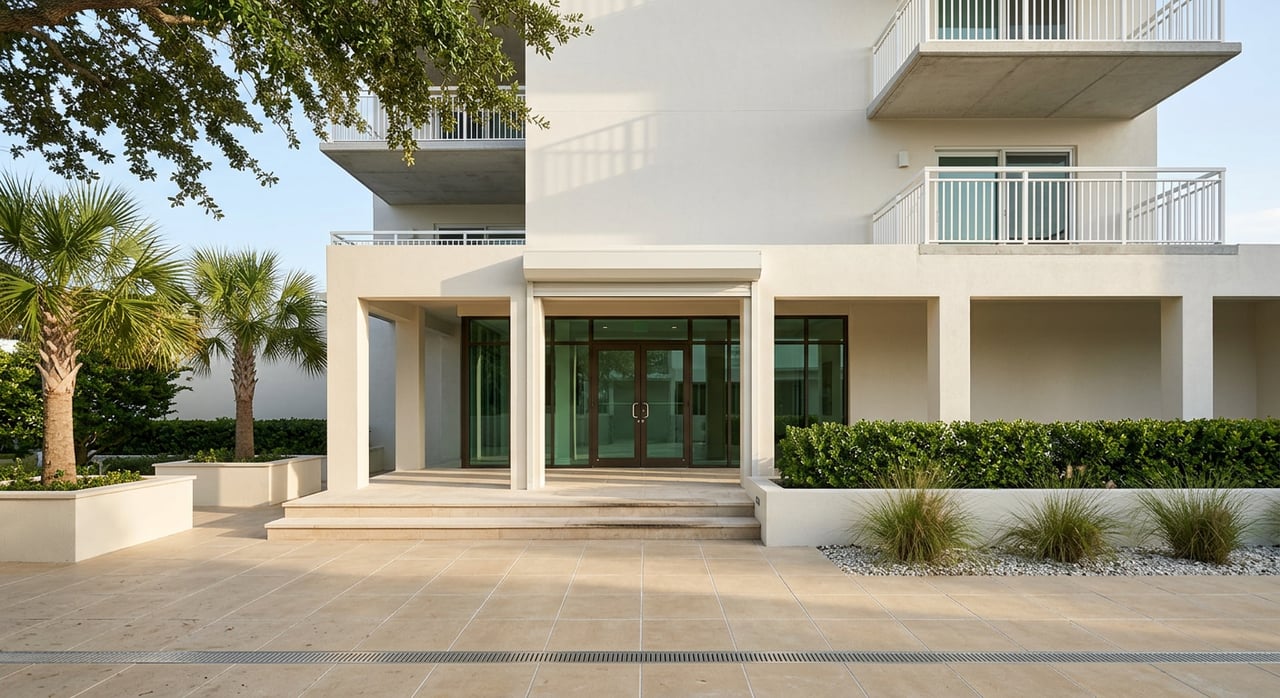
Torn between sunrise views from a low‑maintenance condo and the freedom of a stand‑alone beach house? In Jacksonville Beach, the right choice comes down to how you want to live, what you want to spend each month, and how much risk you want to carry in a coastal market. You deserve clear, local guidance that turns the fine print on HOAs, insurance, inspections, and rentals into confident decisions. In this guide, you’ll compare condos and single‑family homes across costs, resilience, financing, and rental rules so you can choose with clarity. Let’s dive in.
Jacksonville Beach market snapshot
Jacksonville Beach sits at the higher end of the metro. Major market trackers report a recent median sale price around the low to mid $600,000s, while median listing prices trend higher around the low $700,000s. Both figures move month to month, and different sources use different methods.
Condo prices span a wide range. You’ll find entry‑level units in older mid‑rise buildings from roughly $200,000 to $400,000, mid‑range beach‑area condos from about $400,000 to $800,000, and oceanfront or luxury condos from $800,000 into the millions. Single‑family homes near or on the ocean often start higher, commonly $1 million or more for true oceanfront. If you are comparing to renting, recent city‑level data shows a median rent near $2,995 per month. Always verify current pricing when you start your search.
Monthly costs: condo vs house
Understanding what you’ll pay each month is the heart of this decision. Your total cost blends mortgage, taxes, insurance, HOA or association fees, utilities, and ongoing upkeep.
HOA fees and what they cover
- Condos in Jacksonville Beach show a wide spread in monthly association dues. Smaller buildings with limited amenities can be a few hundred dollars per month, while oceanfront properties with elevators, pools, management, and robust building insurance can exceed $1,000 per month.
- Focus on what the fee includes, not just the number. Many condo HOAs include building insurance, exterior maintenance, landscaping, water and sewer, and reserves. Ask for the current budget, reserve schedule, and insurance declarations to see what is covered.
- Single‑family homes may have a neighborhood HOA with modest dues, or none at all. You handle your own exterior costs, including roof, siding, yard, and seawall where applicable.
Insurance and deductibles
- Condos: You typically buy an HO‑6 policy, which covers your interior finishes, personal property, liability, and often loss‑assessment coverage. The association’s master policy covers the structure and common areas, but you need to confirm the coverage boundary in the documents. See the Florida Office of Insurance Regulation’s overview of homeowners and condo coverage for a clear primer on policy types and inspection credits: Florida OIR homeowners insurance guidance.
- Single‑family homes: You carry a standard homeowners policy. In Florida, wind or hurricane deductibles are often percentage‑based and can be significant. Learn how these deductibles work under state rules here: Florida Statutes section 627.701.
Flood zones and coverage
- Flood insurance is separate from your homeowners or condo policy. Lenders require it for properties in Special Flood Hazard Areas. Many beach properties fall in AE or VE zones.
- Request the property’s Elevation Certificate and verify the flood zone using FEMA’s official tool: FEMA Map Service Center.
Maintenance and reserves
- Condo owners share exterior and structural costs through the HOA budget and reserves. Well‑funded reserves can smooth future expenses. Weak reserves can lead to special assessments, especially after new safety laws.
- Homeowners cover all exterior maintenance directly. Budget for roof, HVAC, exterior paint or siding, yard and irrigation, and any seawall, dock, or dune stabilization where applicable.
Safety, resilience, inspections
Coastal properties demand a closer look at building condition and storm resilience, and Florida has new rules for condos that affect budgets and risk.
Condos: milestone and SIRS
- Florida requires a structural “milestone” inspection for condominium buildings that are three or more stories at set intervals once a building reaches a certain age. Review the statute here: F.S. 553.899 milestone inspections.
- Associations must also complete a Structural Integrity Reserve Study (SIRS) for certain components and fund reserves accordingly. This limits owners’ ability to waive critical reserves and can change monthly dues. See the statute: F.S. 718.112 SIRS and reserves.
- Ask for the association’s milestone report(s), SIRS, reserve balances, last two years of meeting minutes, and insurance declarations. Florida Realtors provide a helpful disclosure overview on milestone and SIRS for context: Milestone and SIRS disclosure.
Houses: coastal inspections
- For single‑family coastal homes, prioritize elevation and flood risk, foundation or piling condition, roof age and how the roof is attached, impact‑rated openings or shutters, corrosion on metal connections, and placement of mechanicals above potential flood levels.
- FEMA’s Coastal Construction Manual outlines best practices that can influence both safety and insurance availability: FEMA P‑55 Coastal Construction Manual.
- For older homes, a wind‑mitigation or 4‑point inspection can document features that may earn insurance credits. Ask your insurance agent what documentation is required.
Financing differences to expect
Financing a condo is not the same as financing a house.
- Condos often require a project review to confirm it meets agency standards. If the building has major deferred maintenance, low reserves, high investor concentration, or large unfunded repairs, it may be ineligible for conventional agency loans. Learn how lenders evaluate projects in the Fannie Mae Selling Guide.
- FHA has its own process for condo project approval or single‑unit approval. Check the required documents here: FHA condo project approval guidance.
- If a project is not warrantable or not FHA‑approved, your lender options and rates may be limited. Build in time for your lender to review the association package early.
Rentals and local STVR rules
If rental income matters, confirm rules before you buy.
- Jacksonville Beach requires a Short‑Term Vacation Rental Certificate for rentals operating on a short‑term basis. The city outlines the steps, fees, and inspections here: Jacksonville Beach STVR requirements.
- Associations can restrict or prohibit short‑term rentals even if the city allows them. Always review the declaration and rules for minimum lease terms and caps.
- For long‑term rentals, recent data shows a median rent near $2,995 per month at the city level. Use that as a reference point, then confirm realistic rates for property type and location.
Decision guide: which fits you
Use your top priorities to match the right property type.
- Choose a condo if you want low‑maintenance living, shared exterior risks, and predictable building upkeep through the HOA, and you are comfortable with association rules and reserves.
- Choose a house if you value control over maintenance, want land ownership, and can handle variable insurance and upkeep costs. Focus on elevation, roof, and storm‑resilient features.
- If short‑term rental income is a must, verify association rules and the city’s STVR certificate process before writing an offer.
Buyer checklists
Condo documents to request
- Declaration, bylaws, rules, and all amendments.
- Current budget, most recent financials, reserve study or SIRS, and proof of reserve balances.
- Master insurance declarations page, certificate of insurance, and latest renewal notice.
- Milestone inspection reports and any engineer letters or notices.
- Last 12 to 24 months of meeting minutes and any special assessment notices.
- Owner‑occupancy rate, rental caps, number of units in arrears, and a list of planned capital projects.
Single‑family inspection list
- Elevation Certificate and FEMA flood zone confirmation.
- Full home inspection focused on foundations or pilings, corrosion, roof age and attachments, impact windows or shutters, and electrical and HVAC safety.
- Termite/WDO inspection and a seawall or dune assessment if applicable.
- Wind‑mitigation and, for older homes, a 4‑point inspection to pursue insurance credits.
Smart contingency tips
- For condos: add a contingency for satisfactory review of association financials, SIRS and milestone reports, minutes, insurance coverages, and any pending or proposed assessments.
- For houses: request or obtain an Elevation Certificate and include a flood‑related contingency that allows cancellation if elevation work or flood premiums exceed your comfort level.
Red flags to avoid
- Large, unfunded structural repairs identified in SIRS or milestone reports with no clear funding plan.
- Repeated special assessments, frequent budget shortfalls, or meeting minutes that show deferred maintenance.
- High investor concentration that could restrict conventional financing for future buyers.
- Building‑level hurricane deductibles that could translate into significant per‑unit loss assessments if a storm hits.
- Properties in high‑hazard coastal zones without a clear elevation strategy or affordable flood insurance options confirmed by an insurer.
Ready for expert help?
Whether you are leaning toward a turnkey condo by the sand or a stand‑alone home with room to grow, you should not have to navigate inspections, reserves, deductibles, and STVR rules on your own. With hands‑on construction and investor experience, plus deep Northeast Florida market knowledge, I will help you compare true monthly costs, pressure‑test association documents, and structure the right contingencies so you buy with confidence. When you are ready to walk through homes and run the numbers side by side, connect with Cindy James for a friendly, no‑pressure consultation. Se habla español.
FAQs
What are typical condo HOA fees in Jacksonville Beach?
- Fees vary widely, from a few hundred dollars per month in smaller buildings to over $1,000 per month in oceanfront communities, depending on amenities, reserves, and what the master policy covers.
How do Florida hurricane deductibles affect me as a buyer?
- Florida allows percentage‑based hurricane deductibles, which can be significant; review your policy and the association’s master policy for deductible amounts and triggers as explained in Florida Statutes 627.701.
What condo documents should I review before I make an offer?
- Ask for the declaration, rules, budget, financials, SIRS, milestone reports, insurance declarations, recent meeting minutes, and any assessment or litigation notices; these are required or referenced under milestone inspection and SIRS statutes.
How can I check a property’s flood zone in Jacksonville Beach?
- Use FEMA’s official map tool to verify the flood zone and pair it with an Elevation Certificate from the seller or surveyor: FEMA Map Service Center.
What makes a condo project “warrantable” for a mortgage?
- Lenders review project health, reserves, maintenance, insurance, and owner‑occupancy under the Fannie Mae Selling Guide and FHA rules; ineligible or non‑approved projects can limit your loan options and affect rates.