Are buyers in Jacksonville Beach noticing every little flaw before they make an offer? In a market where homes are taking time to sell and buyers have options, the answer is often yes. If you want to attract strong offers, your home needs more than basic cleaning. It needs to show well, hold up to coastal conditions, and feel ready for a smooth transaction. Let’s dive in.
Why prep matters in Jacksonville Beach
Jacksonville Beach is not a market where you can count on buyers to overlook deferred maintenance. Recent market snapshots point to balanced conditions, with median days on market ranging from 59 to 69 and homes selling below asking on average. That gives buyers room to compare your home against others and look closely at condition, outdoor space, and upkeep.
In a coastal area, buyers also tend to notice things that might get less attention inland. Salt air, moisture, sun exposure, and wind can make wear show up faster on exterior finishes, hardware, railings, and landscaping. If your home looks polished and cared for, you can create a stronger first impression right away.
Focus on what buyers see first
The highest-impact updates are often the simplest. Before you think about major projects, start with the surfaces and spaces buyers notice within the first few minutes.
Refresh exterior presentation
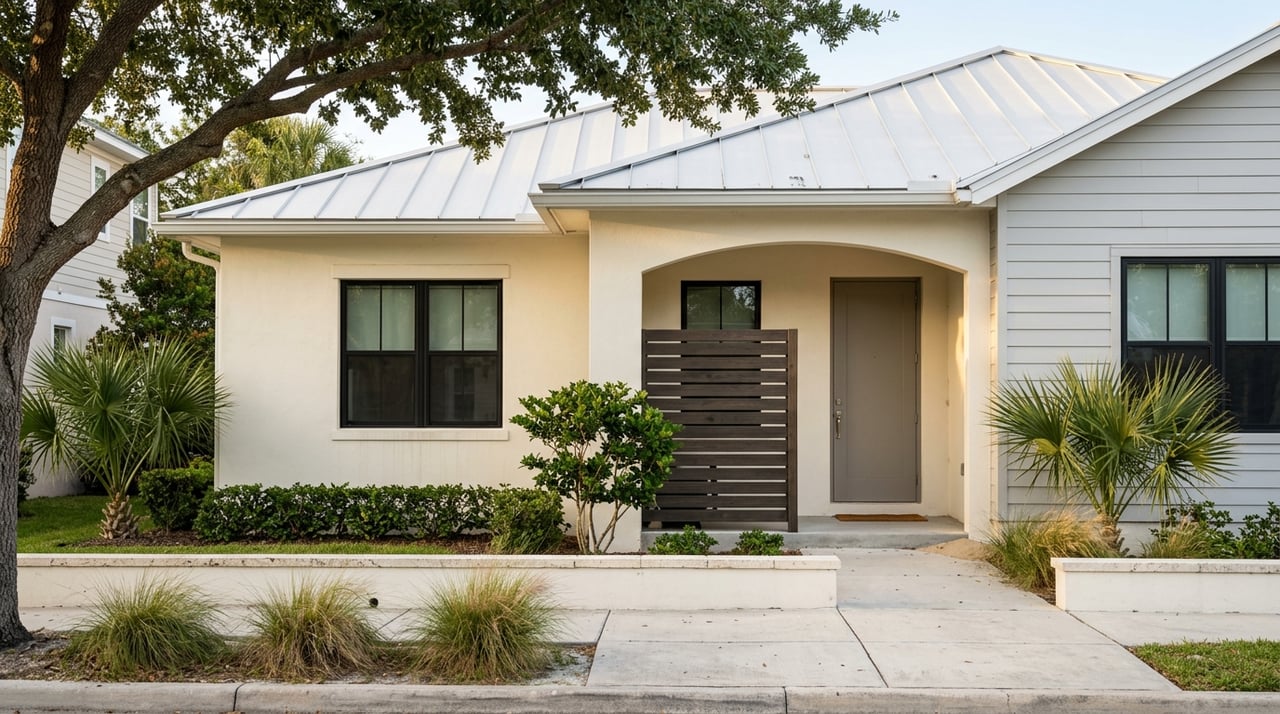
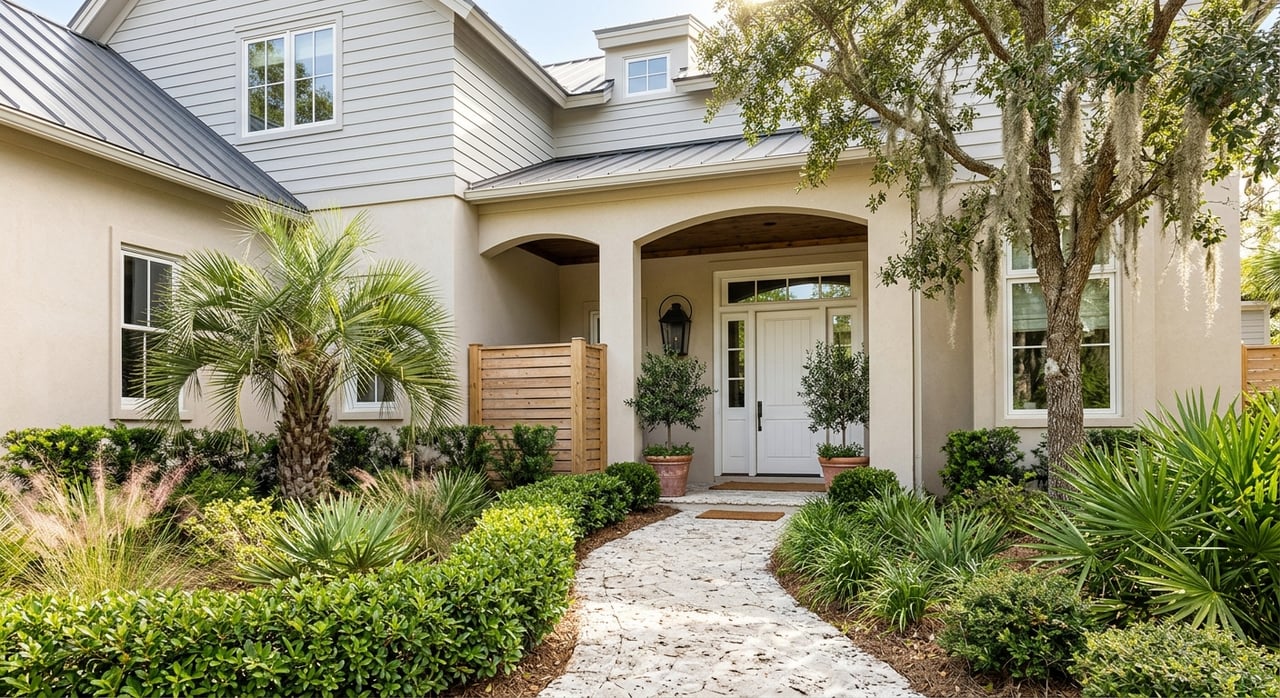
Your exterior sets the tone for the whole showing. Clean siding, touch up paint, wash windows, and make sure the front entry feels crisp and welcoming. If trim looks faded or fixtures look tired, small replacements can improve the overall feel without turning into a major remodel.
Salt exposure can also make exterior wear stand out more. Rusted fasteners, pitted metal, oxidized accents, and worn railings may seem minor, but they can quietly lower a buyer’s confidence in the home’s condition.
Tidy outdoor living areas
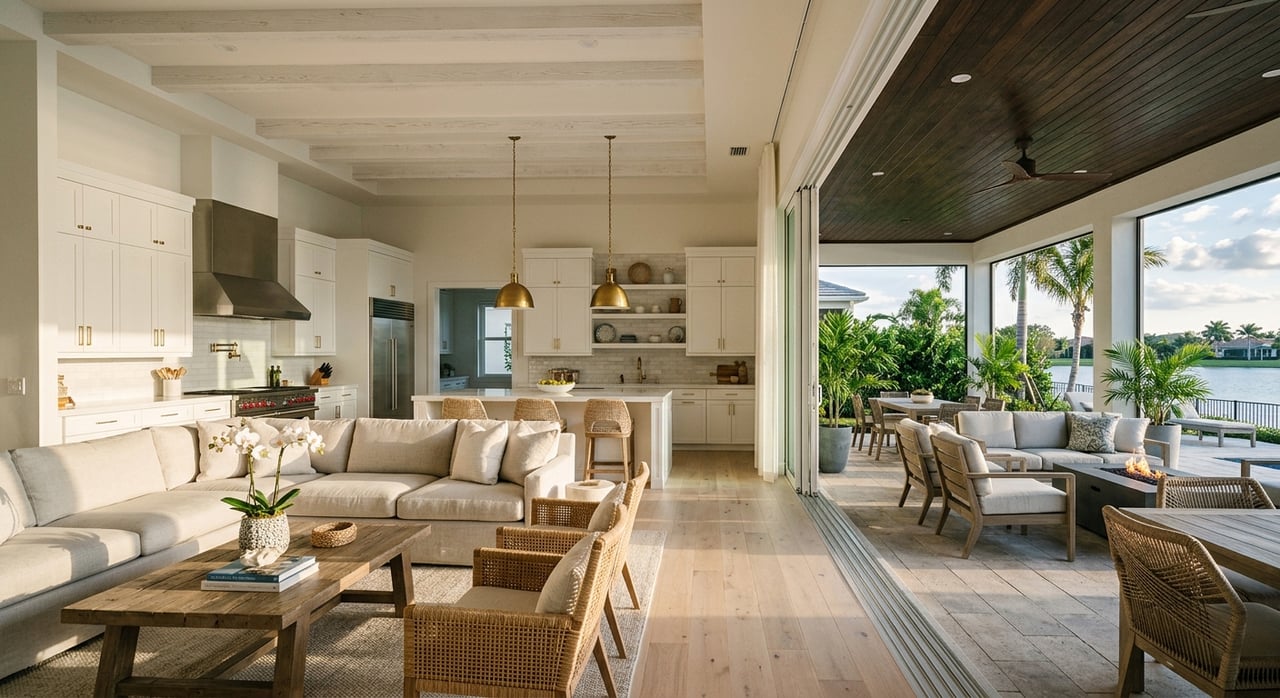
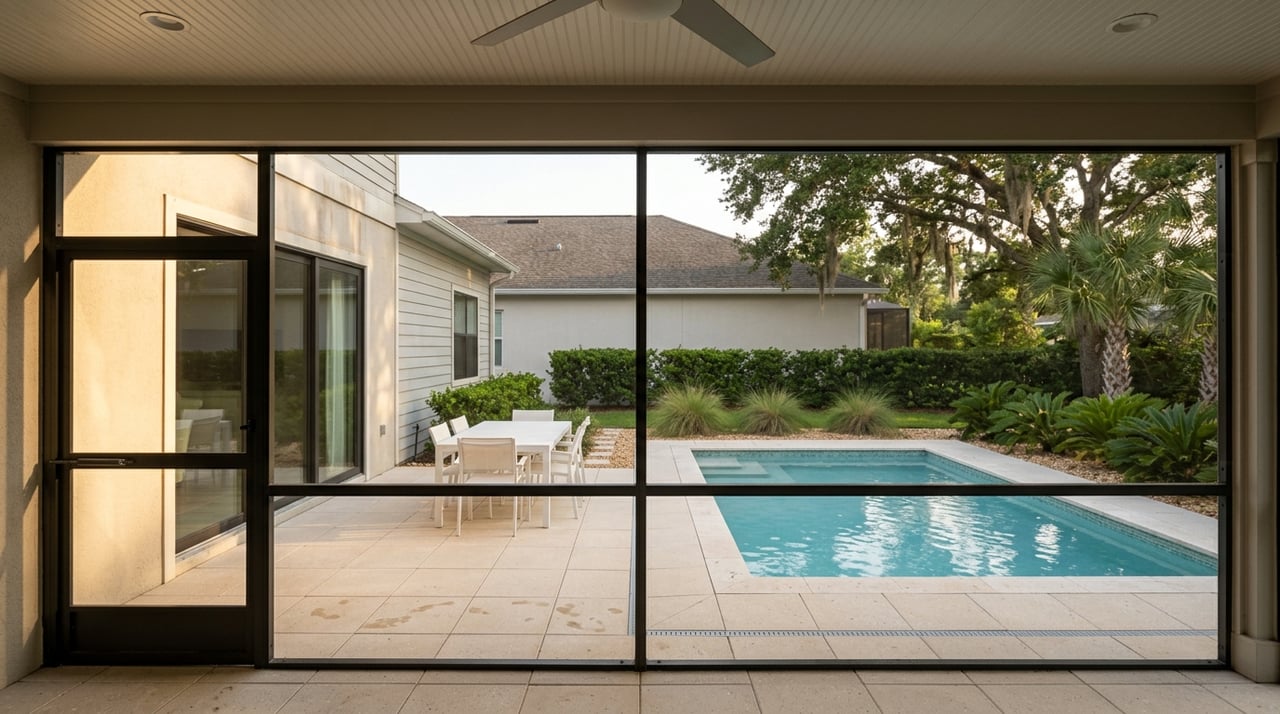
Outdoor livability matters in Jacksonville Beach. Patios, porches, decks, and seating areas should look usable, clean, and easy to maintain. You want buyers to picture themselves enjoying the space, not adding repairs to a to-do list.
Keep furniture simple, sweep hard surfaces, and remove clutter. If lighting, door hardware, or exterior accessories look corroded or dated, replacing them can make the space feel more current and better suited to the coastal setting.
Make landscaping fit the coast
A Jacksonville Beach yard does not need to look elaborate to impress buyers. In fact, a simple, intentional landscape often performs better than one that looks high-maintenance or stressed.
Choose a resilient look
UF/IFAS notes that coastal homeowners may deal with salt-affected soils, sea spray, and saline irrigation water, all of which can stress plants. Signs can include leaf burn, wilting, and damaged foliage. That means buyers may quickly notice when landscaping looks thirsty, overplanted, or difficult to keep healthy.
A cleaner approach is usually better. Salt-tolerant planting, neat mulch beds, trimmed greenery, and healthy-looking foliage can make the yard feel appropriate for the environment and easier for the next owner to manage.
Clean up storm and salt damage
Salt spray can dry out leaves and damage exposed plants, especially after strong onshore winds. If your landscaping has visible browning, torn fronds, or buildup from coastal conditions, address that before photos and showings.
Even basic cleanup helps. Rinsing sensitive foliage with fresh water after heavy salt exposure, removing damaged plant material, and simplifying problem areas can create a more polished result.
Respect dune and shoreline conditions
If your home is beach-adjacent or near dunes, outdoor prep should work with the site, not against it. Jacksonville Beach says dunes and sea oats help prevent erosion and lessen flooding during coastal storms, and it is unlawful to walk on or disturb them.
That matters for presentation. Buyers often appreciate a property that feels well cared for and appropriately maintained, but overworking a dune edge or trying to create a manicured look where it does not belong can create the opposite effect. A natural, tidy, respectful boundary is usually the better choice.
For waterfront or erosion-sensitive properties, visible shoreline issues deserve more than cosmetic masking. UF/IFAS notes that some armoring methods can interrupt sediment movement and increase erosion nearby, while other options such as dune restoration, living shorelines, structure relocation, or foundation modification may be worth evaluating with a coastal engineer. If there is a meaningful shoreline concern, it is smarter to assess it early than let a buyer discover it later.
Handle flood readiness before buyers ask
In Jacksonville Beach, flood readiness is part of seller prep, not an afterthought. Buyers may ask questions early, especially if the property is in or near a Special Flood Hazard Area.
Gather flood-related documents
Jacksonville Beach’s Planning Division can provide flood maps, elevation certificates, and requirements for construction in a Special Flood Hazard Area. Having those details ready can help you answer buyer questions with confidence and reduce delays during due diligence.
The city also notes that properties in Special Flood Hazard Areas have mandatory flood insurance requirements. In addition, FEMA’s National Flood Insurance Program says most homeowners insurance does not cover flood damage and that a new flood policy generally has a 30-day waiting period before coverage begins. Buyers may not know those details, but they often want clarity on the property’s flood-related history and documentation.
Be ready for practical questions
You do not need to overwhelm buyers with technical paperwork upfront. You do want to be prepared if they ask about flood zone status, insurance requirements, or whether an elevation certificate is available.
When this information is organized early, the transaction usually feels smoother. It also helps reduce uncertainty, which can make a difference when buyers are comparing several coastal homes.
Check permits before listing
One of the most overlooked steps in Jacksonville Beach seller prep is permit review. The city’s Building Inspection Division says open or expired permits are a common due diligence issue in real estate transactions, and unresolved permits can remain in a property’s permanent history.
That means old work can come back into the conversation just when you are trying to keep a deal moving. If you have completed updates over the years, it is wise to check the property record before photos, staging, and launch.
Review the property history early
Jacksonville Beach uses COAST to search historical permit records and check permit and inspection status. Sellers can also look for outstanding fees and other issues that may need attention.
This is especially important if you have replaced windows or doors, updated the roof, changed exterior finishes, installed fencing, added hardscape, or completed other exterior work. Even if the project seems minor now, buyers may still ask whether it was properly closed out.
Know which projects may need paperwork
Jacksonville Beach has specific permit pathways for common projects, including windows, doors, siding, windborne debris protection, driveways, hardscape, fences, and tree removal or site clearing. Minor electrical, plumbing, mechanical, and roofing work is submitted online, while larger projects with blueprint packages or values of $25,000 or more go through a different process.
The takeaway is simple: not every pre-listing project is just cosmetic. If you are planning updates shortly before selling, it helps to separate easy touch-ups from items that may trigger city review.
Prioritize repairs that protect value
Not every issue needs to be fixed before you list. The goal is to focus on the items most likely to affect buyer confidence, photos, showings, and inspections.
Fix these first
These items usually deserve attention before listing:
- Rusted or corroded exterior hardware
- Peeling paint or visible trim damage
- Worn railings or oxidized metal features
- Dirty or cluttered patio and porch areas
- Stressed or poorly maintained landscaping
- Noticeable exterior neglect that suggests larger maintenance issues
- Open or expired permits tied to visible property updates
- Missing flood-related documents that buyers are likely to request
Think carefully before over-improving
Large projects are not always the best use of your time or money. In many cases, buyers respond more to clean presentation, visible maintenance, and transaction readiness than to expensive custom upgrades completed right before the sale.
That is especially true in a balanced market, where pricing and condition need to work together. A practical prep plan often beats a long renovation list.
Start earlier than you think
If you are planning to list in Jacksonville Beach, try not to leave repairs for the final week. The city says it is enforcing the 8th Edition (2023) Florida Building Code for applications submitted on or after December 31, 2023, and construction hours are limited to Monday through Saturday from 8 a.m. to 6 p.m., with Sunday and holiday work prohibited.
That can affect scheduling, especially if your project needs a permit, inspection, or contractor coordination. Giving yourself more time helps you avoid rushed decisions and allows your home to hit the market in its best light.
The goal is polish plus readiness
The homes that tend to attract stronger buyer interest in Jacksonville Beach usually do two things well. They look cared for, and they feel easy to buy.
That means your prep plan should cover both presentation and paperwork. When your exterior looks sharp, your outdoor space fits the coastal setting, and your permit and flood details are in order, buyers can focus on the value of the home instead of the risk.
If you want help deciding what to fix, what to leave alone, and how to position your Jacksonville Beach home for top offers, Cindy James offers concierge-level guidance backed by practical construction insight and local market knowledge.
FAQs
What should you fix before listing a Jacksonville Beach home?
- Focus first on visible exterior wear, corrosion, paint touch-ups, outdoor living areas, stressed landscaping, and any open or expired permits that could come up during buyer due diligence.
Why does landscaping matter when selling in Jacksonville Beach?
- Coastal conditions like salt spray, saline irrigation, and salt-affected soils can stress plants, so buyers often respond best to tidy, resilient, low-maintenance landscaping that fits the beach environment.
What flood documents might buyers ask for in Jacksonville Beach?
- Buyers may ask about flood maps, elevation certificates, Special Flood Hazard Area status, and flood insurance requirements, so it helps to gather those details before listing.
How do open permits affect a Jacksonville Beach home sale?
- Jacksonville Beach says open or expired permits are a common due diligence issue, and unresolved permits can remain in a property’s permanent history, which may delay or complicate a sale.
Should you do major renovations before selling a Jacksonville Beach home?
- Not always. In many cases, clean presentation, coastal-appropriate maintenance, and organized documentation offer a better return than large last-minute upgrades.