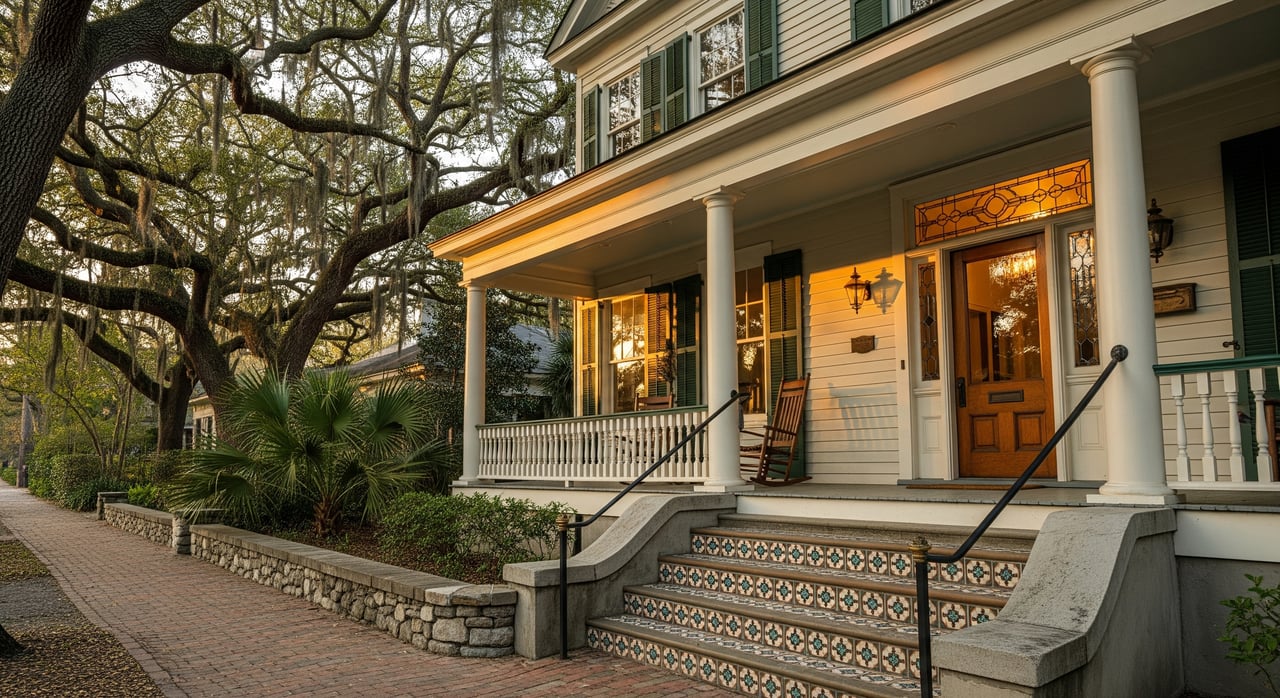
Dreaming of a tree-lined street, a classic front porch, and the timeless details you only find in older homes? Buying in Riverside Avondale can deliver all of that character and a strong sense of place. It also comes with unique steps around inspections, insurance, and historic approvals. In this guide, you’ll learn exactly what to check, who to involve, and how to plan a smooth purchase and renovation. Let’s dive in.
Why Riverside Avondale stands out
Riverside Avondale is a celebrated historic area near downtown Jacksonville and the St. Johns River, known for early 20th century bungalows, Craftsman, Mediterranean Revival, and other period styles. That variety is part of the charm and also means construction details can differ from house to house.
Many properties sit within a local historic overlay. Exterior changes that affect character-defining features often require review by the City’s historic preservation staff or Historic Preservation Commission, usually through a Certificate of Appropriateness. Interior work is typically not reviewed unless it affects the exterior or a specially designated landmark.
Community groups such as Riverside Avondale Preservation offer guidance and resources. They can help you understand materials, suppliers, and what is typically approved in the neighborhood.
What historic oversight means for you
If you plan to alter the exterior, budget time for preservation review before permits are issued. Typical items that trigger review include roof lines, porches, windows, siding, fences, and visible additions. Many changes are approved when they respect the home’s character and use appropriate materials.
There are rehabilitation tax incentives at the federal level for income-producing historic properties. Homeowner credits can vary by state or locality. Check current programs with the City of Jacksonville and the Florida Division of Historical Resources, and consult a tax advisor before assuming any benefits.
Inspection priorities for older homes
Older homes in this neighborhood often retain original systems and finishes. A standard home inspection is essential, but you should plan for targeted specialty evaluations too.
Structure and foundation
Many historic homes are raised on piers or shallow foundations. Watch for uneven floors, deteriorated or broken piers, sill plate rot, and signs of settling. If you see significant movement, bring in a licensed structural engineer for evaluation and repair planning.
Termites and wood-destroying organisms
Termites and other WDOs are a high priority in northeast Florida. Ask for recent WDO reports and treatment history. Active infestation or structural damage is a serious negotiation point.
Roof and rainwater management
Confirm roof age and condition, flashing at chimneys and penetrations, soffits, gutters, downspouts, and attic ventilation. Porch roofs and columns often hide concealed rot. Many insurers require modern roof standards and may want documented wind mitigation features.
Exterior envelope and historic materials
Original wood siding, trim, railings, and historic windows often should be repaired rather than replaced to preserve character and meet local guidance. Expect to address failing paint. For pre-1978 homes, assume lead-based paint is present and plan lead-safe work.
Electrical systems
Older wiring types such as cloth-insulated or knob-and-tube, ungrounded two-prong outlets, or fuse boxes are common in older homes. Aluminum wiring may appear in mid-century updates. These are safety and insurance concerns. Have a licensed electrician quote needed service upgrades, grounding, and panel replacements.
Plumbing and water systems
Look for galvanized supply lines that corrode, cast iron drain lines that can decay, and older water heaters. Polybutylene piping from later eras can also be an insurance issue in some markets. Check water pressure and visible drain runs for leaks or corrosion.
HVAC and insulation
Systems older than 10 to 15 years are common. Evaluate cooling capacity for Florida summers, duct condition, and energy efficiency. Insulation in attics and walls often falls below modern standards and may need upgrades that respect historic constraints.
Moisture and drainage
Florida humidity amplifies moisture concerns. Confirm proper grading, gutters, and downspouts. Check crawlspaces for standing water and ventilation. Homes near lower elevations may sit in flood zones, which affects insurance and long-term risk.
Hazardous materials
Lead-based paint is likely in pre-1978 homes. The EPA’s Renovation, Repair and Painting rule requires certified contractors for work that disturbs painted surfaces. Asbestos may be present in older insulation, floor tile, pipe wrap, and mastics. Test before demolition and use licensed abatement when needed.
Interior finishes and plaster
Plaster walls and ceilings are common and can be more costly to repair than drywall. Look for cracking, patching, and evidence of past alterations that might need rework.
Smart due diligence timeline
A strong plan reduces surprises and helps you negotiate with confidence.
Pre-offer
- Check FEMA flood maps and request any elevation certificate and flood policy history from the seller.
- Ask for insurance declarations, claims history, and permit records for major work.
- Request recent WDO reports and service records for roof and systems.
- Get preliminary homeowners and flood insurance quotes to understand coverage and price.
During inspections
- Hire a home inspector experienced with older homes. Add specialty inspections: WDO, sewer scope if older drain lines are suspected, HVAC, electrical, plumbing, and structural engineering as needed.
- Review historic overlay boundaries and ask City staff about likely review requirements for your planned exterior projects.
- Obtain contractor estimates for priority upgrades so you can budget post-closing work.
Before closing
- Confirm that an insurer will bind coverage and note any required repairs for underwriting.
- Verify permits for past structural, electrical, plumbing, and mechanical work. Address unpermitted work through repairs, permits, or price adjustments.
- Lock in your renovation plan, timeline, and contractor availability if you plan immediate work.
Insurance, flood, and wind basics
Florida’s insurance market is more scrutinized and often more expensive due to wind and storm exposure. For older homes, many insurers require a 4-point inspection that covers roof, HVAC, plumbing, and electrical. Some carriers will not cover very old roofs or outdated systems until they are upgraded. Citizens Property Insurance Corporation is a last-resort option when private coverage is not available.
Riverside’s proximity to the St. Johns River means some blocks may be in FEMA flood zones. Flood insurance is separate from homeowners policies and is available through the National Flood Insurance Program or private carriers. Lenders will require flood insurance if the property is in a Special Flood Hazard Area. An elevation certificate helps determine your premium and rating.
Insurers offer wind mitigation credits for features like verified roof-to-wall connectors, qualified roof coverings, a secondary water barrier, and opening protection. Roof age documentation and wind mitigation inspections can lower premiums when the home qualifies.
Practical tips:
- Get quotes early in your search and revisit them after inspections.
- Price out required upgrades for coverage, such as roof replacement or electrical updates.
- Ask for the seller’s claims history and look up public permit records for storm repairs.
Renovation planning that respects history
Thoughtful planning protects the home’s character and keeps your project on track.
Historic review vs permits
Historic preservation review is separate from building permits. Exterior work that changes the appearance typically needs a Certificate of Appropriateness before permits are issued. Structural, electrical, plumbing, and mechanical work needs standard building permits.
Budget and contingency
Older homes often hide surprises. Build a contingency into your renovation budget. Historic-appropriate materials and skilled craftspeople can cost more and take longer to source. A 10 to 25 percent contingency is a common planning range depending on scope.
Lead and asbestos compliance
For pre-1978 homes, use RRP-certified firms for any work that disturbs painted surfaces. Test suspected asbestos-containing materials before demolition. Plan for licensed abatement or encapsulation when needed.
Choosing the right contractor
Look for contractors with historic home portfolios and knowledge of Jacksonville’s permitting and preservation processes. Request references, detailed written bids, and line items that separate preservation-sensitive work, such as window repair versus replacement. Verify licenses, insurance, and lien waivers. For larger projects, consider phased payments tied to inspections and milestones.
Timeline matters
Preservation review can add weeks to months before work starts. Custom millwork, window restoration, and specialty finishes add lead time. Factor in permit inspections, subcontractor schedules, and materials availability to set realistic expectations.
When to renegotiate or walk away
Some findings justify a pause or a hard look at pricing and risk.
- Major structural rot, failed piers, or significant settlement
- Active WDO with structural damage
- Unpermitted structural, electrical, or plumbing work the seller will not remedy
- High-risk flood location or repeated flood claims without mitigation
- Insurance refusal or premiums that make ownership unrealistic
Buyer checklist
Use this quick list to stay organized from search to close.
- Review flood maps and request elevation certificates and flood policy details
- Ask for insurance declarations, claims history, and permit history
- Order a home inspection plus WDO, sewer scope, and system specialists as needed
- Confirm historic overlay requirements for planned exterior changes
- Get contractor estimates for roof, electrical, HVAC, plumbing, and window work
- Secure preliminary and final insurance quotes, including wind mitigation credits
- Verify permits for past work or resolve with the seller before closing
- Set a renovation plan, budget, and timeline with contingency
Work with a construction-savvy local advisor
Buying a historic home should feel exciting, not overwhelming. You deserve guidance that blends neighborhood knowledge with practical construction insight. If you want help sourcing the right inspectors, pricing upgrades, or navigating historic approvals, reach out to Cindy James. You will get concierge-level support, clear next steps, and a plan that protects both the character of your home and your budget.
FAQs
What should I know about historic approvals in Riverside Avondale?
- Exterior changes visible from the street usually require a Certificate of Appropriateness, while interior changes typically do not unless they affect the exterior.
Do I need flood insurance for a home near the St. Johns River?
- If the property is in a Special Flood Hazard Area, your lender will require it. Even outside mapped zones, flood insurance can be a smart protection to consider.
Which inspections are most important for older homes here?
- In addition to a standard home inspection, prioritize WDO, roof evaluation, electrical and plumbing reviews, and a structural engineer if you see settlement or major alterations.
How do historic windows affect my plans and budget?
- Full replacement may be restricted by local guidelines. Many owners choose repair or historically accurate replacements to preserve character and maintain compliance.
Are historic homes harder to insure in Florida?
- Age and condition matter more than the historic label. Older roofs, wiring, and plumbing can raise premiums or limit options until upgraded, while wind mitigation features can help reduce costs.